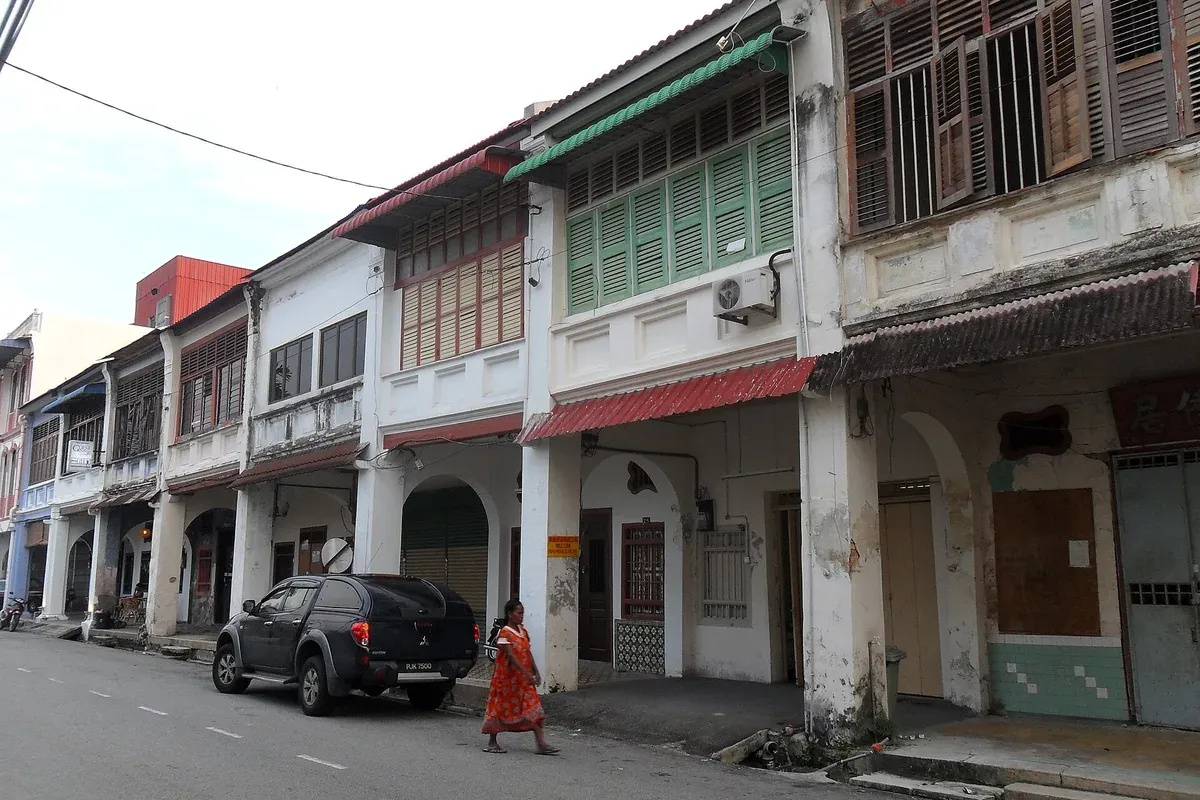
Few cities wear their maritime trading history as deliciously as George Town on Penang Island. Established as a free port in 1786 along the Strait of Malacca, the city drew Hokkien, Cantonese, Tamil, Malay, Arab, and European merchants whose communities settled street by street around Weld Quay. Over two centuries, Chinese-Malay intermarriage gave rise to Peranakan (Baba-Nyonya) culture—visible equally in pastel-tiled townhouses and intensely layered spice pastes (rempah).
Recognized as a UNESCO World Heritage Site, George Town is best explored slowly on foot between dawn coffee shops (kopitiams) and late-night open-air hawker centers.
What Makes Penang Hawker Food Different
While Kuala Lumpur and Singapore share many dishes, Penang hawker cooks fiercely guard single-dish specialization. A stall rarely serves ten unrelated items; instead, one family spends decades perfecting a single wok technique or broth balance.
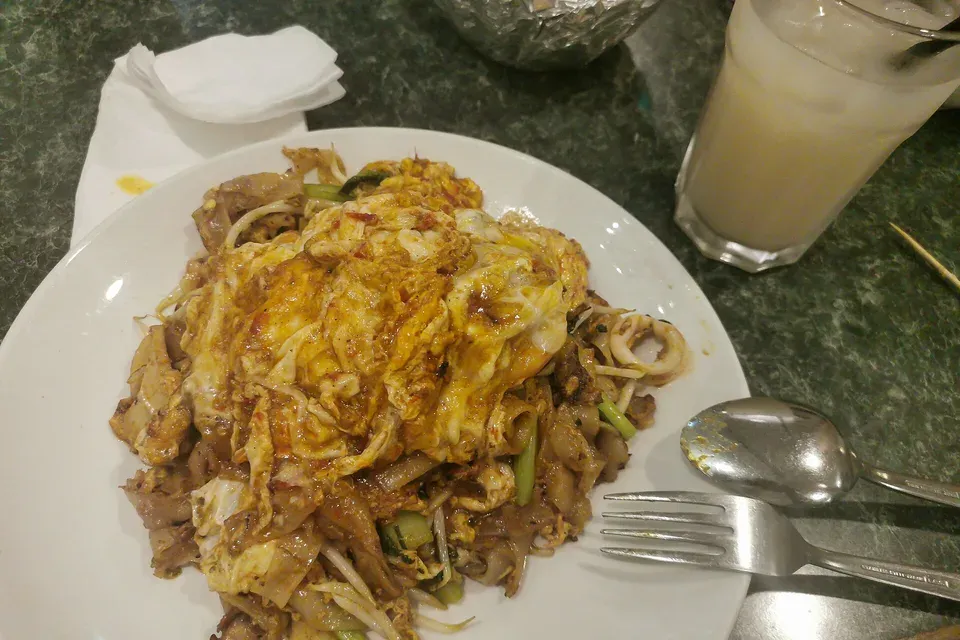
- Char Kway Teow: Flat rice noodles flash-fried over blazing charcoal heat with garlic, soy, cockles, prawns, bean sprouts, and duck egg until smoky (wok hei) aromas saturate every strand.
- Penang Assam Laksa: Unlike creamy coconut-milk laksa further south, Penang’s signature bowl pairs poached mackerel broth with sour tamarind (asam), torch ginger bud (bunga kantan), Vietnamese coriander, and pungent fermented shrimp paste (hae ko).
- Nasi Kandar: Originating with Tamil-Muslim dockworkers carrying rice pots on shoulder poles, steamed rice is flooded (banjir) with three or four curries—okra, fried chicken, and spiced squid—to taste.
- Nyonya Kuih: Bite-sized glutinous rice cakes tinted naturally with pandan leaf and blue butterfly-pea flower, steamed with palm sugar (gula melaka) and freshly pressed coconut milk.
Walking George Town’s Cultural Quarters
Armenian Street, Acheen Street, and Peranakan Mansions
Begin early along Lebuh Cannon and Lebuh Armenian, inspecting ornate clan association temples (kongsi) such as Khoo Kongsi—whose carved granite dragon pillars and ceramic roof ridges showcase southern Fujian craftsmanship. Visit the Pinang Peranakan Mansion to study mother-of-pearl inlaid blackwood furniture, beaded kasut manek slippers, and multi-tiered kamcheng porcelain jars.
The Clan Jetties at Weld Quay
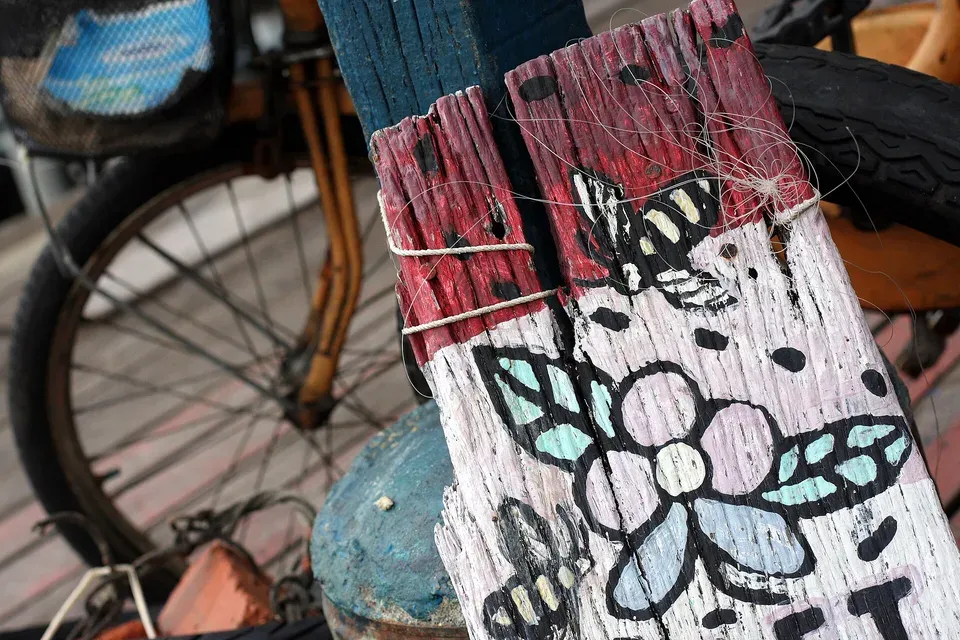
Along the eastern waterfront, wooden stilt villages built by nineteenth-century Chinese dockworker clans extend straight out over tidal mudflats. Chew Jetty draws the largest crowd, while neighboring Tan Jetty and Lee Jetty remain quieter residential boardwalks where morning breeze rolls off the channel.
Little India and Kapitan Keling Mosque
Just north of Chulia Street, Market Street (Lebuh Pasar) anchors George Town’s Little India—scented with jasmine garlands, cardamom tea, and crispy banana-leaf roti canai. Steps away, the ochre domes of Kapitan Keling Mosque stand across from Sri Mahamariamman Temple and Kuan Yin Teng (Goddess of Mercy Temple) on Jalan Masjid Kapitan Keling—often called the “Street of Harmony.”
Practical Ordering Etiquette, Transit, and Costs
| Item | Typical Cost (MYR) | Approx. USD | Ordering Tip |
|---|---|---|---|
| Hawker bowl (Laksa, Hokkien Mee, Char Kway Teow) | MYR 7–11 | $1.50–$2.50 | Order drinks from the kopitiam host; pay food stall directly on delivery |
| Kopi O or Teh Tarik at a coffee shop | MYR 2.50–3.80 | $0.60–$0.90 | Ask for kurang manis if you prefer less condensed milk |
| Penang Hill funicular (round-trip standard) | MYR 30 (foreign) | ~$6.80 | Ride before 8:30 AM for cool views over the Penang Strait |
| Heritage boutique shophouse room | MYR 180–340 | $40–$75 | Choose rooms away from late-night bar strips along Love Lane |
| Rapid Penang CAT free heritage bus | Free | Free | Loops past Komtar, Weld Quay, and Old Town stops |
Suggested Three-Day Eating and Heritage Loop
- Day 1 — Old Town Coffee Shops & Weld Quay: Start at 8:00 AM with soft-boiled eggs, kaya toast, and charcoal-roasted kopi along Lebuh Campbell, tour Khoo Kongsi and Pinang Peranakan Mansion, stroll Chew Jetty before dusk, and dine along Chulia Street night hawkers (wan tan mee and lok lok).
- Day 2 — Penang Hill Dawn & Air Itam Markets: Ride the early Penang Hill funicular for cool rainforest breezes, descend to Air Itam Market for legendary Penang Assam Laksa beside Kek Lok Si Temple, and explore Gurney Drive or quieter New Lane (Lorong Baru) hawker stalls at night.
- Day 3 — Tropical Spice Garden & Little India: Take the coastal bus north to Teluk Bahang’s Tropical Spice Garden for a morning spice-paste walk, returning for banana-leaf curry lunches in Little India and afternoon street-art alleys around Armenian Street.
Practical Climate and Market Etiquette
- Beat tropical humidity: George Town grows intensely hot and humid between 11:30 AM and 4:00 PM; reserve outdoor walking for early mornings and evenings while stepping inside air-conditioned heritage mansions or shaded kopitiams at noon.
- Carry small Ringgit notes and tissues: Most traditional hawker carts remain cash-only (or Malaysian DuitNow QR) and rarely provide table napkins—slip a pocket pack of tissues and 5/10 MYR bills into your daypack.
- Respect active shrines: Dress modestly when entering Taoist clan temples, Hindu shrines, and Kapitan Keling Mosque, where robes are gladly loaned free at the gate.
Check seasonal festival dates and heritage walk maps through Penang Global Tourism. For another great Southeast Asian cultural itinerary, combine Penang with Northern Thailand on a smart daily budget or our Northern Vietnam guide.