Seven days in northern Vietnam is enough time to experience the sensory pulse of Hanoi, drift along rice-lined karst rivers in Ninh Binh, and reach the terraced mountain valleys of the far north—provided you resist the temptation to cram five provinces into a single week. Many travelers burn out trying to stack Sa Pa, Ha Long Bay, Ninh Binh, and Ha Giang back-to-back. Picking two contrasting landscapes alongside Hanoi leaves room for slow morning coffees, museum walks, and unhurried train journeys.
Best Seasons for Clear Views and Harvest Color
- September to October: Dry autumn air returns across the Red River Delta, rice paddies turn gold in northern valleys before harvest, and temperatures hover around 23°C to 28°C.
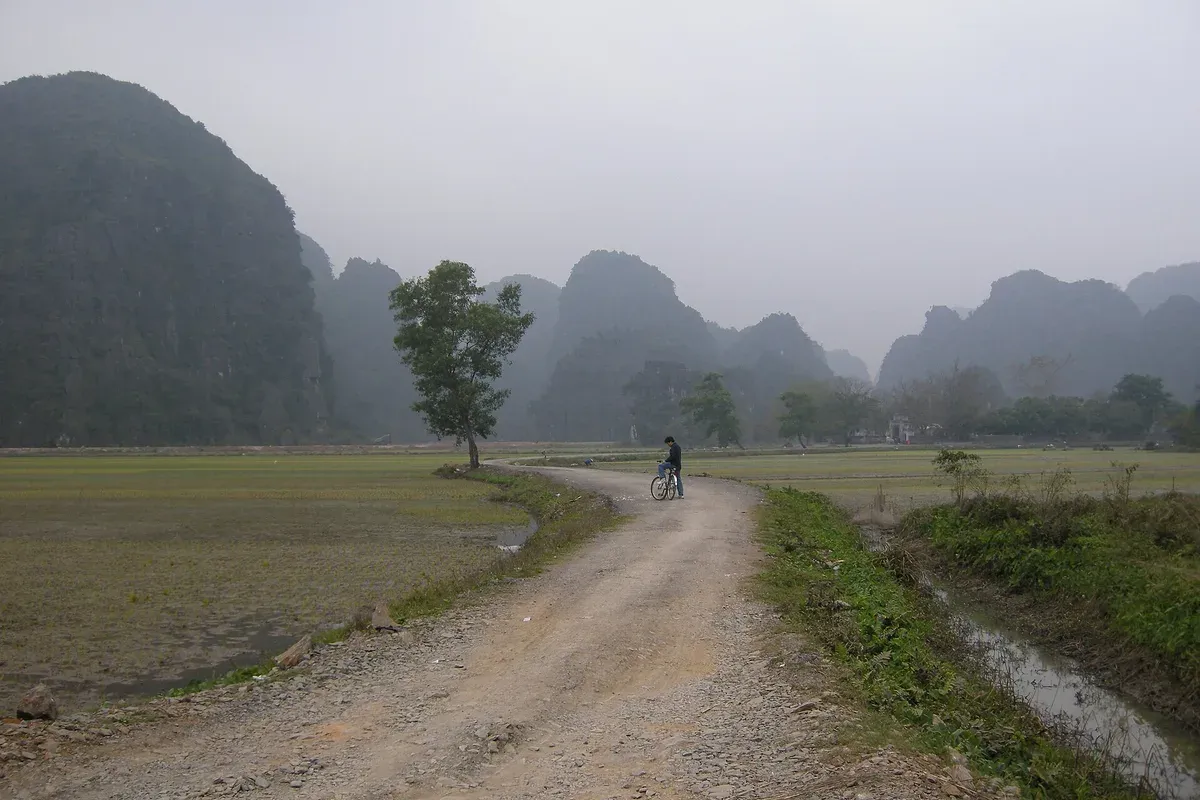
- March to April: Spring mist softens limestone peaks while humidity remains manageable for cycling and temple steps.
- Winter (December–February): Hanoi and Ha Giang grow chilly (10°C–16°C) and misty—pack a warm windproof jacket if traveling north of the capital.
Verify visa exemption rules or official e-visa portals directly through the Vietnam National Authority of Tourism.
Day-by-Day Seven-Day Northern Itinerary
Days 1–2: Hanoi’s Old Quarter, French Quarter, and Lake Loops
Start early at Hoan Kiem Lake, watching residents practice tai chi beneath banyan trees before the scooter rush intensifies. Explore the 36 guild streets of the Old Quarter on foot, ducking into heritage houses such as 87 Ma May, then cross into the leafy boulevards around the Temple of Literature (Văn Miếu) and the Vietnam Museum of Ethnology—one of Southeast Asia’s strongest introductions to Vietnam’s 54 ethnic groups.
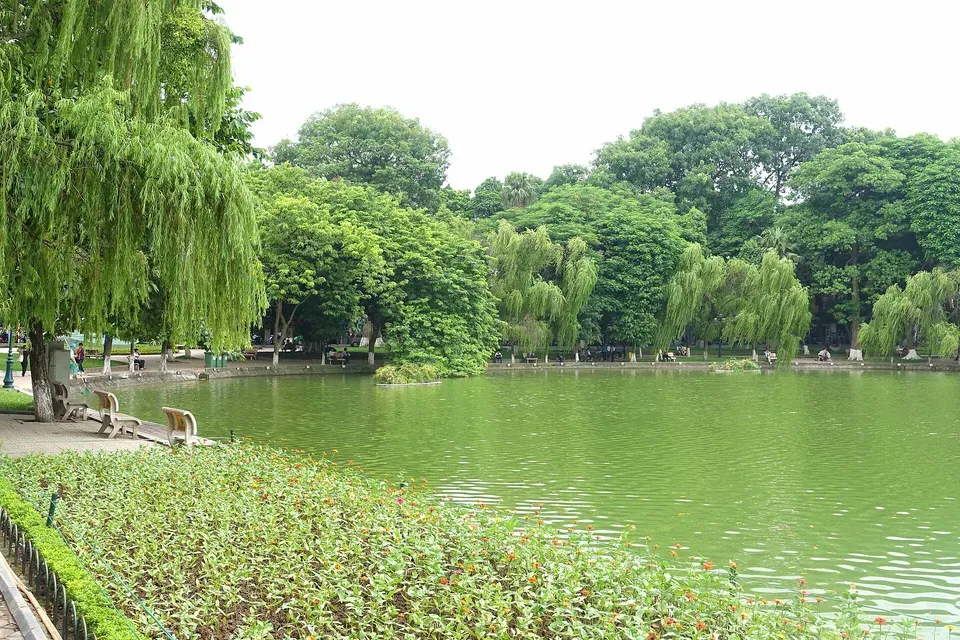
At lunch, pull up a low plastic stool for grilled pork bún chả or northern beef phở bò, followed by salted or egg coffee (cà phê trứng) overlooking quiet courtyards.
Days 3–4: Ninh Binh, Tràng An, and Bich Dong by Train
Board a morning Vietnam Railways Reunification Express train from Hanoi Station to Ninh Binh (2 hours 15 minutes, roughly $5–$8 USD). Base yourself in Tam Coc or quieter Trang An rather than noisy Ninh Binh town. Rent a bicycle to ride past duck ponds and limestone cliffs toward Bich Dong Pagoda and Mua Cave (Hang Múa), climbing its 500 stone steps at 7:00 AM or late afternoon for sweeping views over the Ngo Dong River.
On Day 4, take a three-hour rowboat circuit through Tràng An Scenic Landscape Complex (a UNESCO World Heritage site), paddling beneath stalactite river caves and tranquil hillside temples.
Days 5–7: Ha Giang’s Mountain Valleys (or Cat Ba Island Alternative)
From Ninh Binh or Hanoi, overnight sleeper buses or daytime limousine vans reach Ha Giang city in six hours. Spend two full days with an experienced local driver—either by car or pillion (easy rider motorbike)—crossing Quan Ba Heaven Gate, Yen Minh pine ridges, and Dong Van Karst Plateau. Every bend reveals buckwheat terraces, limestone canyons, and weekly hillside markets.
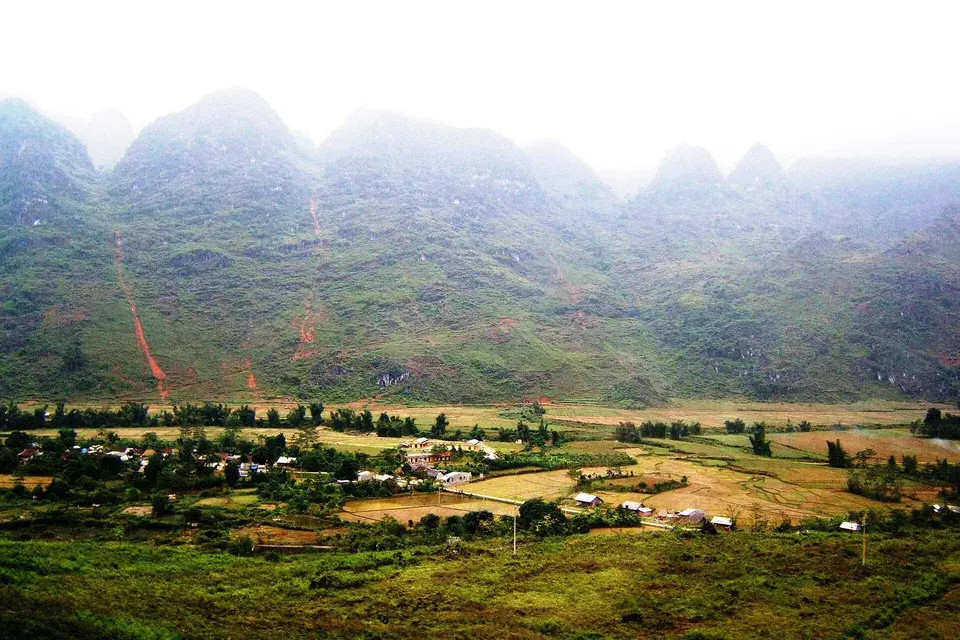
If you prefer coastal scenery over mountain roads, swap Days 5–7 for Cat Ba Island and Lan Ha Bay, taking a direct bus-and-ferry transfer from Ninh Binh to explore limestone lagoons by sea kayak away from central Ha Long cruise congestion.
Transit, Daily Costs, and Practical Logistics
| Item | Typical Cost (USD) | Booking & Practical Notes |
|---|---|---|
| Hanoi to Ninh Binh train | $5–$8 | Book soft seats via official Vietnam Railways (dsvn.vn) |
| Tràng An UNESCO boat ticket | ~$10 (250,000 VND) | Fixed official tariff per passenger; 2–3 hour guided route |
| Boutique homestay (Tam Coc / Ha Giang) | $18–$40 / night | Private rooms with breakfast and bicycle loan often included |
| Street meal + Vietnamese iced coffee | $3–$6 | Look for busy stalls with high turnover and clean prep areas |
| Ha Giang 2–3 day local guide/transport | $110–$170 total | Do not self-ride without an International Driving Permit valid in Vietnam |
Use Grab inside Hanoi for transparent meter fares from Noi Bai Airport or cross-town hops, keep small VND notes handy for rural market stalls, and download offline maps before entering mountain valleys.
Practical Food, Packing, and Safety Notes
- Coffee & Hydration Habits: Northern Vietnam serves intensely roasted robusta coffee brewed slowly through metal phin filters—pair afternoon iced cà phê sữa đá with plenty of bottled water, especially when cycling between karst outcrops in Ninh Binh.
- Road & Motorbike Caution: Ha Giang’s mountain passes feature hairpin drops, gravel patches, and freight trucks rounding blind bends. Hiring a vetted local driver (easy rider) or private car lets you absorb the valleys safely without risking unpermitted scooter crashes that travel insurers refuse to cover.
- Packing for Microclimates: Between November and March, Hanoi and the northern mountains can swing from sunny 24°C valleys to damp 9°C ridgetops within four hours; bring a breathable windproof shell and light thermal fleece even if flying in from tropical beaches.
- Cash & Card Acceptance: Major hotels and Hanoi restaurants accept Visa/Mastercard, yet rural homestays, boat docks, and street food alleys run strictly on Vietnamese Dong cash—withdraw comfortably in Hanoi before heading south or north.
For cross-border Southeast Asia budgeting, compare our Northern Thailand under $40/day guide and our eSIM vs. local SIM connectivity breakdown.