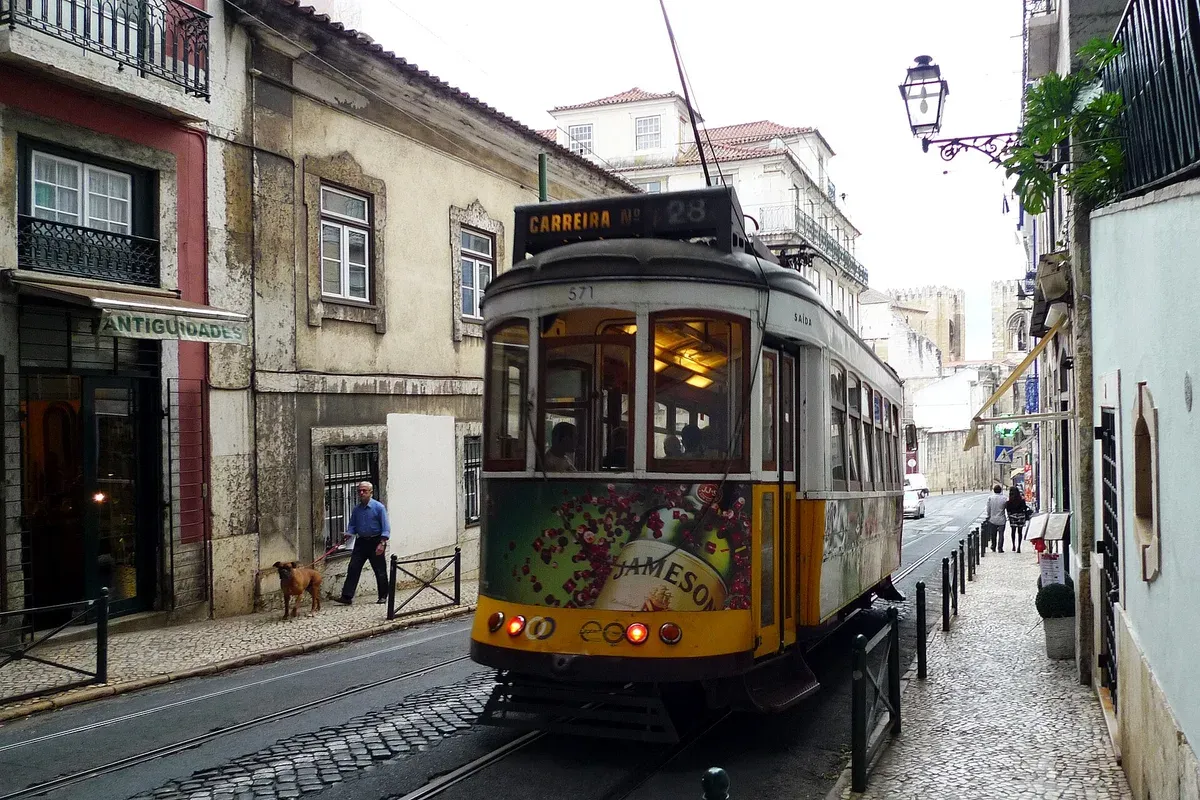
Lisbon is built across steep limestone hills overlooking the broad Tagus estuary, where bright Atlantic sunlight reflects off glazed azulejo tiles and pale calçada portuguesa cobblestones. It is an intensely visual capital, yet its steep gradients and narrow medieval streets catch unprepared visitors off guard. Smooth cobblestone pavements turn slick after brief coastal rain, and the famous yellow Tram 28 often develops forty-minute queues at Martim Moniz by mid-morning.
The secret to enjoying Lisbon is treating it as a series of connected hillside villages linked by funiculars, metro stations, and river ferries—always walking downhill whenever possible.
Best Seasons for Atlantic Light and Mild Walks
- April to May: Jacaranda trees bloom violet across squares like Largo do Carmo, daytime highs hover around 20°C to 23°C, and terrace cafés feel lively without August heat.
- September to October: The Atlantic retains late-summer warmth, evening breezes stay mild, and lines at Jerónimos Monastery and São Jorge Castle thin noticeably after mid-September.
- Winter (November–February): Expect dramatic low-angle sunlight, crisp 14°C afternoons, and lower accommodation prices—pack a windproof layer and shoes with reliable rubber tread.
For current monument hours and combined city passes, consult Visit Portugal’s official Lisbon guide.
Four Distinct Neighborhoods to Anchor Your Days
Alfama and Graça
Alfama survived the 1755 earthquake better than the lower valley, leaving behind a maze of whitewashed courtyards, laundry lines, and tiny tascas pouring house red wine. Start high at Miradouro da Graça or Miradouro de Santa Luzia—taking the metro to Santa Apolónia or a ride up to São Jorge Castle—then drift downward through Alfama’s stairways toward the riverfront.
Baixa and Chiado
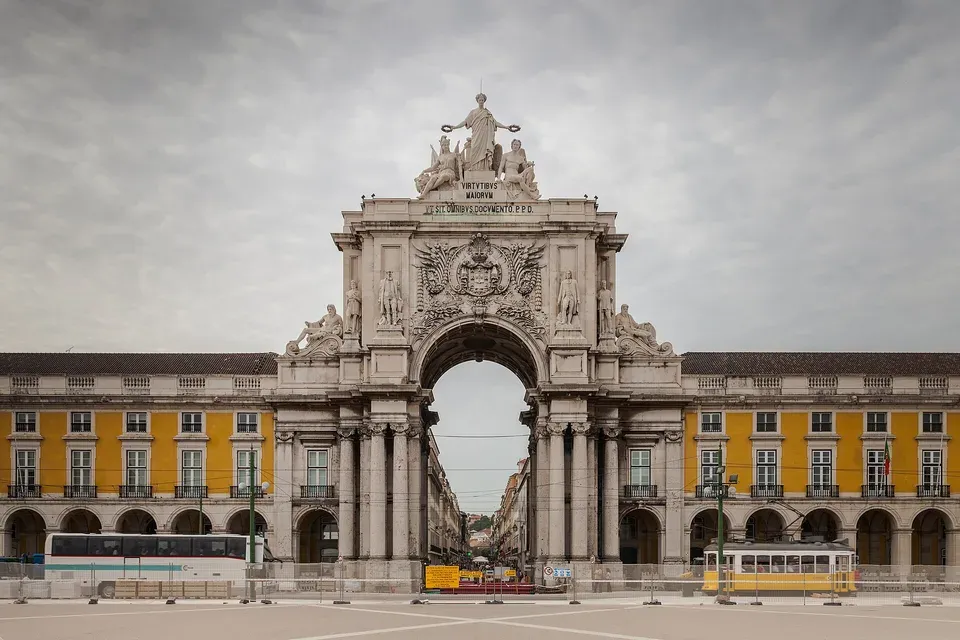
Rebuilt in crisp Pombaline grid blocks after 1755, Baixa anchors the monumental Praça do Comércio facing the Tagus. From Rua Augusta, climb gently—or ride the Santa Justa street-level upper terrace access from Carmo Convent—into Chiado, home to historic bookshops such as Bertrand (open since 1732) and tiled cafés.
Príncipe Real and Estrela
West of Avenida da Liberdade, Príncipe Real exchanges souvenir shops for botanical gardens, nineteenth-century townhouses, and independent Portuguese ceramics studios. Ride Tram 25E or walk down to Estrela’s basilica and leafy park, where locals gather on weekend mornings.
Belém by River or Tram 15E
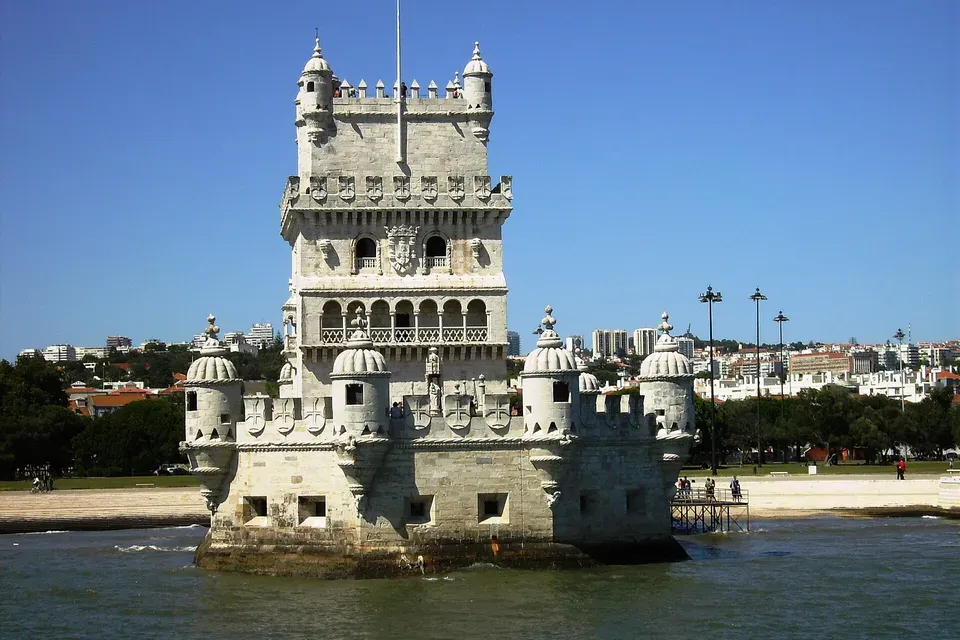
Six kilometers west of the center, Belém marks the historic departure point of Portugal’s maritime voyages. Visit Jerónimos Monastery at opening time (9:30 AM) before strolling the river promenade past the Belém Tower and picking up warm custard tarts (pastéis de nata) dusted with cinnamon.
Getting Around Without Overpaying
Buy a reusable Navegante card (€0.50) at any metro kiosk and load it with zapping credit rather than single cash tickets on board. Zapping drops tram, bus, metro, and ferry fares significantly and lets you ride the same scenic hills as Tram 28 using Tram 12E, Tram 24E (to Príncipe Real), or the Bica and Glória funiculars without paying tourist prices.
| Expense Category | Typical Cost (EUR) | Practical Tip |
|---|---|---|
| Navegante metro/tram fare (zapping) | €1.61 per ride | Half the price of buying paper cash tickets onboard |
| 24-hour Carris/Metro transit pass | €6.80 | Covers buses, trams, metro, and Santa Justa lift |
| Espresso (bica) & pastel de nata | €2.20–€3.20 | Stand at the bakery counter like neighborhood regulars |
| Lunch prato do dia in a tasca | €10–€15 | Look for chalkboard daily fish or stew specials |
| Major monument entry (Jerónimos / Castle) | €12–€15 | Reserve morning timed slots online in peak months |
Practical Tips for Lisbon Streets
- Watch pickpockets on Tram 28 and Elevador de Santa Justa: Keep zipped bags in front of you during crowded climbs through Alfama. If the historic Remodelado cars are packed wall-to-wall at Martim Moniz, walk up to Graça or Portas do Sol instead—you will reach the same views faster and still capture tram photos along the bends.
- Cross the river for sunset: Take the ten-minute Transtejo ferry from Cais do Sodré to Cacilhas for waterfront seafood restaurants along Ponto Final pier and panoramic views back toward the 25 de Abril Bridge. Alternatively, ride the ferry from Terreiro do Paço to Barreiro for quiet river light.
- Footwear matters: Smooth limestone cobblestones (calçada) become genuinely slippery on steep slopes; prioritize cushioned soles with grip over flat fashion sandals.
- Understand Portuguese dining customs: The small plate of olives, sheep cheese, and bread (couvert) placed on your table at the start of dinner is not complimentary—if you prefer not to pay €3–€6 extra, simply leave it untouched or politely ask your waiter to remove it.
Suggested Three-Day Lisbon Pacing Plan
- Day 1 — Alfama Hills & Tagus Waterfront: Ride the metro to Santa Apolónia or take a morning taxi up to São Jorge Castle, walk down through Miradouro de Santa Luzia and Alfama’s stairways to Lisbon Cathedral, spend afternoon hours in Baixa and Chiado bookshops, and catch sunset from Miradouro de Santa Catarina or a Cacilhas river ferry.
- Day 2 — Belém Maritime Heritage & LX Factory: Catch Tram 15E (or the Cascais line commuter train from Cais do Sodré to Belém) before 9:00 AM to tour Jerónimos Monastery and Belém Tower, sample warm custard tarts at Antiga Confeitaria de Belém, and stroll Alcântara’s LX Factory courtyard bookshops and design studios on your return.
- Day 3 — Sintra Day Trip or Príncipe Real Slow Walk: Take the 40-minute CP commuter train from Rossio Station straight to Sintra (arrive before 9:00 AM and ride Bus 434 up to Pena Palace or hike up through Villa Sassetti), or stay local browsing Príncipe Real, Estrela Basilica, and the National Tile Museum (Museu Nacional do Azulejo) in Xabregas.
Looking to connect Lisbon with the rest of Europe by rail? Check our breakdown of Eurail passes versus point-to-point European train tickets or review our solo arrival safety and night-train guide.