Sitting in a mountain-ringed valley at 1,550 meters in southern Mexico, Oaxaca de Juárez moves at a noticeably gentler pace than coastal resorts or sprawling capitals. Mornings smell of roasting cacao and woodsmoke from courtyard comales, jacaranda petals drift across volcanic cantera stone sidewalks, and every direction out of town leads into living Zapotec and Mixtec craft communities that have preserved weaving, pottery, and stone-carving traditions for generations.
Because Oaxaca sits at moderate elevation, daytime sun feels warm year-round while evenings cool rapidly—making it ideal for walking tours, open-air markets, and archaeological excursions.
Seasons, Festivals, and Climate
- November to March (Dry & Clear): Crisp mornings (10°C), bright 25°C afternoons, and virtually no rain—ideal for hiking ruins and valley towns.
- Late October / Early November: Día de los Muertos fills cemeteries, plazas, and courtyards with marigolds (cempasúchil) and elaborate altars; reserve lodging six months ahead.
- July: Guelaguetza celebrates Indigenous dance, music, and regional dress across the state.
- May–September: Afternoon tropical showers green the surrounding Sierra Madre hills, keeping hotels quieter and valley air fresh.
Check official cultural calendars and archaeological site hours via INAH Mexico and Visit Mexico.
Highlights in Oaxaca City and the Central Valleys
Centro Histórico and Jalatlaco
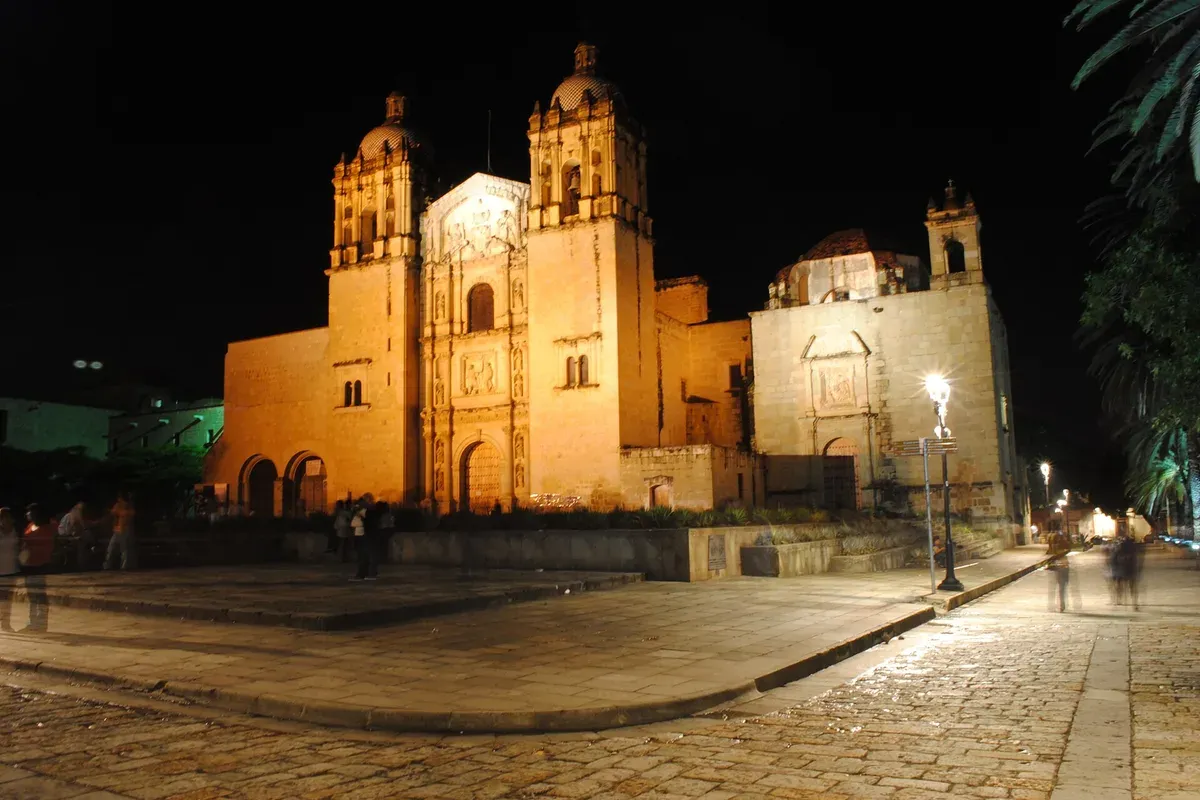
Center your walks around the Templo de Santo Domingo de Guzmán, whose adjacent cultural museum occupies a former Dominican monastery beside the Jardín Etnobotánico de Oaxaca (guided tours showcase native agaves, cacti, and medicinal flora). Ten minutes northeast, the cobbled neighborhood of Barrio de Jalatlaco offers quiet cafés, mural-lined lanes, and small workshops away from Zócalo bustle.
Monte Albán
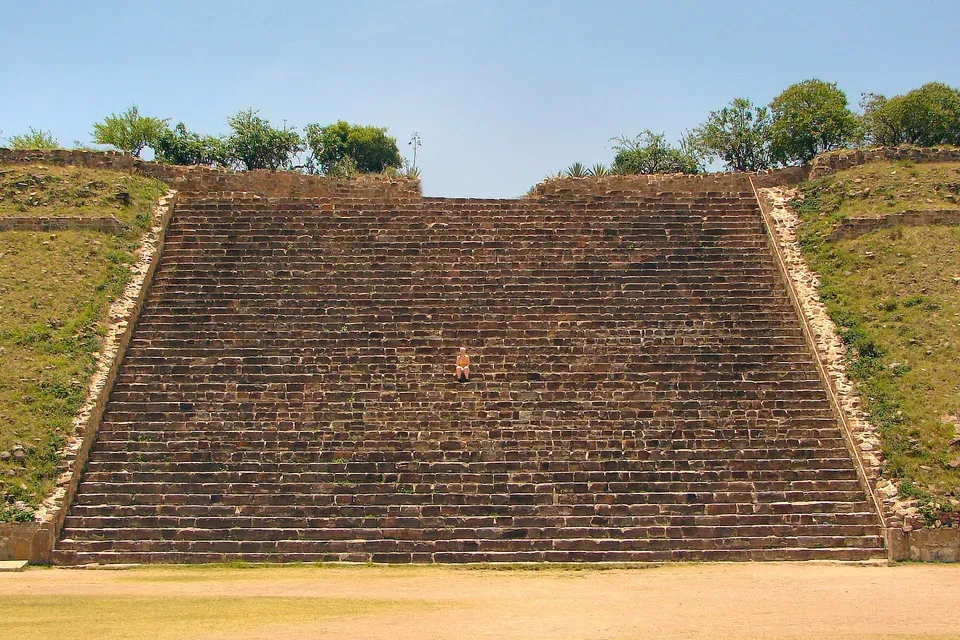
Rising 400 meters above the valley floor just twenty minutes from downtown, Monte Albán served as the ceremonial and political capital of the Zapotec civilization for more than a millennium starting around 500 BCE. Arrive at the 8:00 AM gate opening to walk the Great Plaza, Ballcourt, and Building of the Dancers before noon heat builds.
Teotitlán del Valle, Mitla, and Hierve el Agua
Heading east along Highway 190 opens a rich loop of valley communities:
- Teotitlán del Valle: Zapotec weaving families demonstrate natural wool dyeing using cochineal insects, indigo, pomegranate rinds, and marigold petals.
- San Pablo Villa de Mitla: Famous for intricate geometric stone fretwork (grecas) rather than massive pyramids.
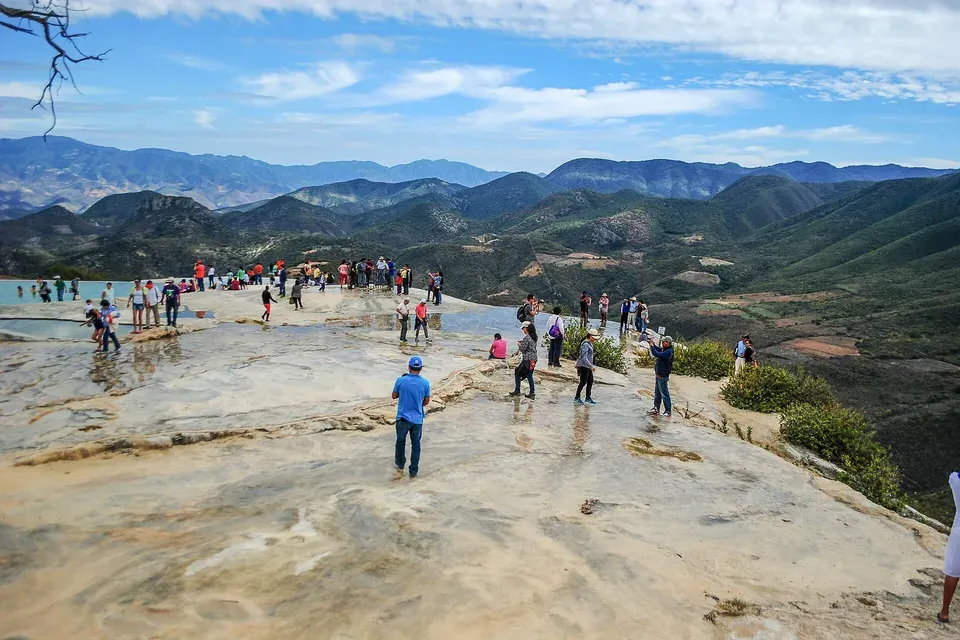
- Hierve el Agua: Calcified mineral waterfalls and cliff-edge spring pools perched above rugged canyons—best reached early before midday tour vans arrive.
Local Markets, Meals, and Budget Breakdown
Oaxaca’s culinary reputation rests on heirloom corn, seven classic mole sauces, artisanal chocolate, and mezcal distilled from wild and cultivated agaves. Eat breakfast inside Mercado 20 de Noviembre (known for its smoky grilled-meat Pasillo de Humo) or Mercado Benito Juárez, and explore evening tlayudas from neighborhood street stalls.
| Expense Category | Typical Cost (MXN) | Approx. USD | Helpful Context |
|---|---|---|---|
| Shuttle bus to Monte Albán | MXN 120–150 | $6.50–$8.50 | Round-trip shuttles depart near Hotel Rivera del Ángel |
| Monte Albán INAH entry fee | MXN 95 | ~$5.20 | Bring cash and water; limited shade on site |
| Colectivo taxi to valley towns | MXN 25–60 | $1.50–$3.50 | Shared maroon/white taxis from Baseball Stadium / Periférico |
| Market meal (tlayuda or memelas) | MXN 80–160 | $4.50–$9.00 | Sit-down mole dinners average MXN 300–550 |
| Boutique courtyard hotel | MXN 1,400–2,800 | $75–$150 | Jalatlaco and Xochimilco offer quieter nights |
Stick to bottled or filtered water, wash fresh produce cautiously, and support certified family workshops directly when purchasing textiles or black clay (barro negro) pottery from San Bartolo Coyotepec.
Getting to Oaxaca and Moving Around Safely
Oaxaca International Airport (OAX) sits twenty minutes south of downtown with frequent flights from Mexico City, Guadalajara, and Cancún; collect fixed-rate shared colectivo shuttle vouchers inside the arrivals hall rather than negotiating curb taxis. Travelers arriving overland from Mexico City (6.5–7 hours) or Puebla (4.5 hours) ride comfortable ADO Platino or OCC coaches from TAPO terminal straight to Oaxaca’s central bus station north of Jalatlaco.
Inside Oaxaca City, nearly every historic quarter—Centro, Jalatlaco, Xochimilco, and Reforma—is flat enough to explore on foot. After dark, stick to well-lit streets or call an inexpensive radio taxi (sitio) through your hotel reception; app-based ride-hailing operates far more inconsistently here than in Mexico City, so keep small MXN bills handy for short cab rides.
Suggested Four-Day Oaxaca Itinerary
- Day 1 — Santo Domingo, Ethnobotanical Garden & Markets: Morning walk through the Zócalo and Mercado 20 de Noviembre for tasajo and hot chocolate, afternoon tour of the Ethnobotanical Garden and Santo Domingo cultural museum, and sunset drinks along Alcalá pedestrian promenade.
- Day 2 — Monte Albán & Jalatlaco: 8:00 AM shuttle up to Monte Albán’s mountaintop plaza, returning by noon for lunch in Barrio de Jalatlaco and late-afternoon browsing at Museo Textil de Oaxaca.
- Day 3 — Eastern Valley Loop: Combine El Tule’s monumental 2,000-year-old Montezuma cypress tree, natural wool-dyeing demonstrations in Teotitlán del Valle, Zapotec stonework at Mitla, and early-afternoon views over Hierve el Agua (or finish with a traditional palenque mezcal tasting in Santiago Matatlán).
- Day 4 — Southern Craft Villages or Market Cooking Class: Ride south to San Bartolo Coyotepec for burnished black pottery and San Martín Tilcajete to watch artisans carve and paint colorful wooden alebrijes, returning for a quiet mole negro dinner.
For another culinary heritage deep dive, compare Oaxaca’s market traditions with our guide to George Town, Penang’s hawker heritage or smart carry-on packing for mountain-to-city itineraries.