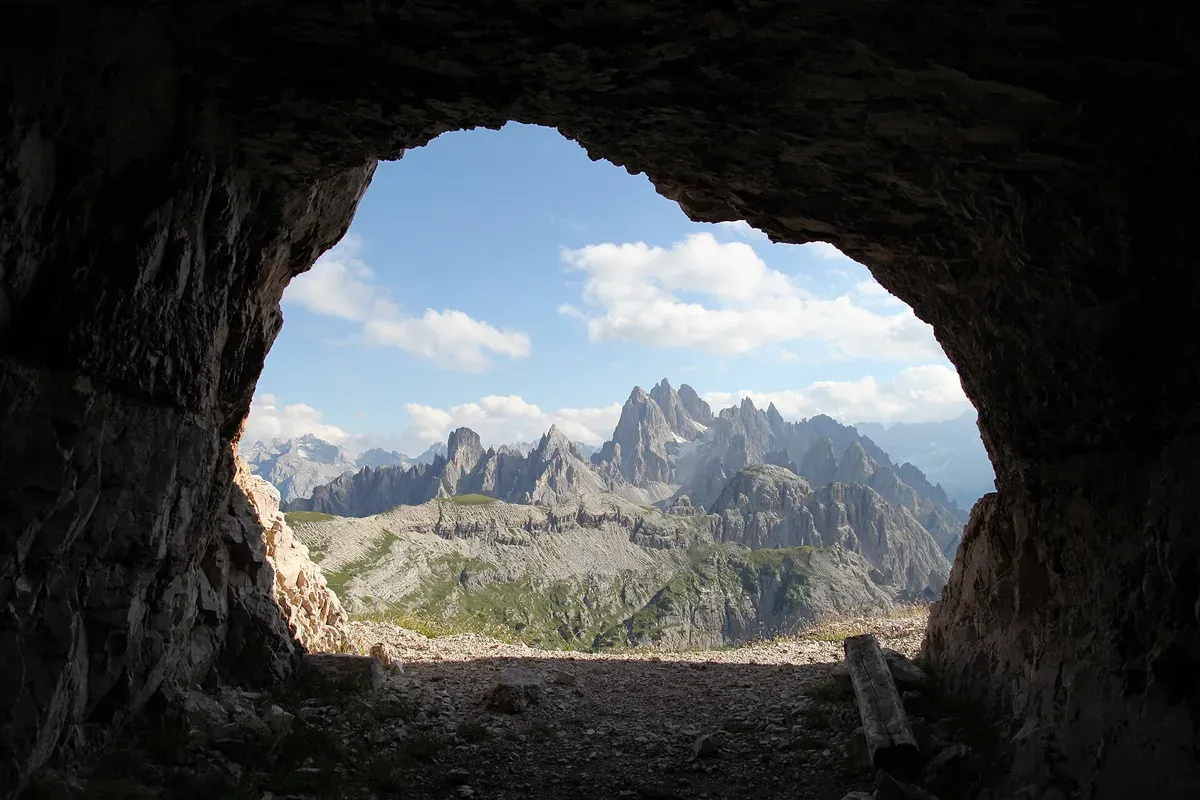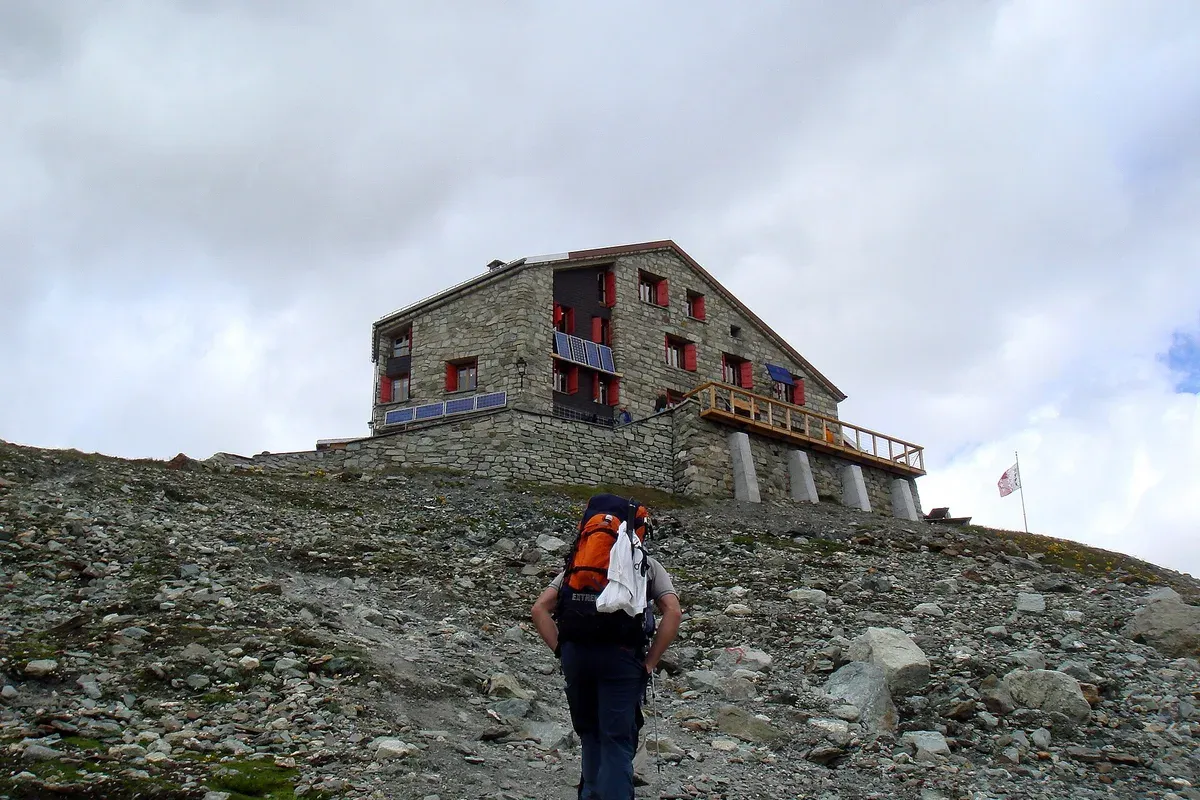
Across the European Alps, hikers don’t haul heavy tents, camp stoves, or five days of freeze-dried rations to sleep above 2,500 meters. Instead, an extraordinary century-old network of staffed mountain huts—known as Hütten in Austria and Germany, Cabanes in French-speaking Switzerland, Refuges in France, and Rifugi in Italy—shelters trekkers in stone or timber lodges stocked with wool blankets, hot soup, and drying rooms.
Still, Alpine huts operate on strict mountain logistics rather than city-hotel expectations. Knowing how reservations, sleep-liner rules, water conservation, and dining bells work ensures a warm welcome from the hut guardian (Hüttenwart / gardien).
How Hut Associations and Bookings Work
Most classic huts along routes like the Tour du Mont Blanc, Walker’s Haute Route, Alta Via 1, and Stubai High Trail are managed by national alpine clubs—SAC (Switzerland), CAF/FFCAM (France), CAI (Italy), ÖAV (Austria), and DAV (Germany)—alongside private family rifugi in the Italian Dolomites.
- Book early on popular routes: Reservations for summer (July–August) typically open between October and February. Popular Tour du Mont Blanc and Swiss Haute Route huts fill key weekend dates within days.
- Alpine Club Membership Discounts: Joining an accredited Alpine Club (such as ÖAV, DAV, or SAC—many offer straightforward international memberships) cuts nightly dorm rates by 25% to 50% and often includes mountain rescue insurance coverage.
Check official hut directories and reservation calendars through the Swiss Alpine Club (SAC) and Club Alpino Italiano (CAI).
Half-Board (Halbpension / Demi-Pension) and Daily Rhythm
Nearly all hikers book half-board, which includes a bunk or private room, a hearty three-course evening dinner (typically soup, main stew/pasta/polenta, and dessert), breakfast, and sometimes a small thermos refill of hot tea (Marschtee) for the trail.
- Arrive before 5:00 PM: Most huts serve dinner promptly at 6:30 PM or 7:00 PM at communal wooden tables. Always call ahead if delayed on the trail so guardians don’t trigger unnecessary mountain search alerts.
- Boot room & hut slippers: Muddy hiking boots and trekking poles stay strictly inside the heated entrance boot room (Schuhraum); every hut supplies communal plastic clogs or Crocs for indoor wear.
- Bring a lightweight sleep sack (Hüttenschlafsack): For hygiene, wool blankets and duvets are never washed daily; a silk or cotton sleeping-bag liner is mandatory in every Alpine hut.
Costs, Cash, and Mountain Etiquette
| Practical Detail | Typical Standard | Helpful Tip |
|---|---|---|
| Dormitory half-board (Lager) | €65–€95 / night (CHF 75–105) | Bring soft foam earplugs; shared bunks house 6–20 hikers |
| Private room (where available) | €95–€140 / person | Limited stock; reserve 5–6 months ahead |
| Showers & electricity | Often €3–€5 coin tokens for 3 mins | Many high glacier huts lack hot showers altogether—pack body wipes |
| Payment | Cash only at remote huts | Helicopter resupply limits card terminals; carry €100–€150 cash per person |
| Quiet hours (Hüttenruhe) | 10:00 PM sharp | Pack your backpack the night before if departing at dawn |
Always carry out your own non-organic trash (wrappers, tissues, batteries) back down to valley recycling bins—every kilogram left at altitude has to be flown out by helicopter.
Preparing Your Pack and Timing for Multi-Day Hut Routes
Because mountain huts handle meals and bedding, multi-day hut-to-hut treks require far less weight than backcountry camping. Aim for a 30L to 35L backpack weighing under 8–9 kilograms including two liters of water—excess pack weight stresses knees severely across 1,200-meter alpine descents.
- Essential Hut-Only Kit: Lightweight silk or cotton sleep sack, compact microfiber travel towel, headlamp (crucial for finding shared washrooms cleanly after 10:00 PM Hüttenruhe), blister tape, soft foam earplugs, and a 20,000mAh power bank (outlets in communal dining halls are limited and shared among dozens of hikers).
- Dietary & Allergy Notices: Inform hut guardians at booking—and reconfirm 48 hours ahead—if you require vegetarian or gluten-free dinners; remote kitchens cook single set menus over finite gas supplies.
- Respect Weather Cutoffs & Valley Exits: Always identify valley bus stops or bailout cableways before starting multi-day routes like Alta Via 1 or the Tour du Mont Blanc. If lightning or early-season September snow hits high passes above 2,500 meters, descending safely to a valley hotel beats pushing across exposed ridges.
- Verify Helicopter & Mountain Rescue Coverage: Standard travel insurance policies frequently exclude hiking above 2,500 or 3,000 meters—double-check altitude clauses or join an Alpine Club whose membership includes worldwide mountain evacuation coverage.
- Morning Departures: Most trekkers leave between 6:30 AM and 8:00 AM to cross steep passes while afternoon storm clouds remain low and snowfields stay firm.
- Off-Season Winterraum Caution: Outside the main late-June to mid-September staffed window, most huts close their kitchens and leave only a tiny unheated emergency winter room (Winterraum) with blankets and a stove—requiring full cold-weather mountaineering gear, self-carried food, and an Alpine Club key where locked.
Pair this guide with our Dolomites day-hike and rifugio guide and our 10-day Swiss Alps rail itinerary.