A ryokan is far more than a hotel room with floor mats. Born along Edo-period post roads to shelter feudal lords and pilgrims, Japan’s traditional inns weave architecture, thermal bathing, seasonal cuisine, and attentive hosting (omotenashi) into a single evening-to-morning rhythm. For first-time visitors, however, booking a ryokan can feel intimidating: prices look steep at first glance, check-in schedules feel strict, and bathhouse rules come with unspoken conventions.
Understanding how ryokan pricing and daily customs work removes every ounce of guesswork—allowing you to relax completely from the moment you step out of your street shoes at the genkan entryway.
Why Ryokan Pricing Works Differently
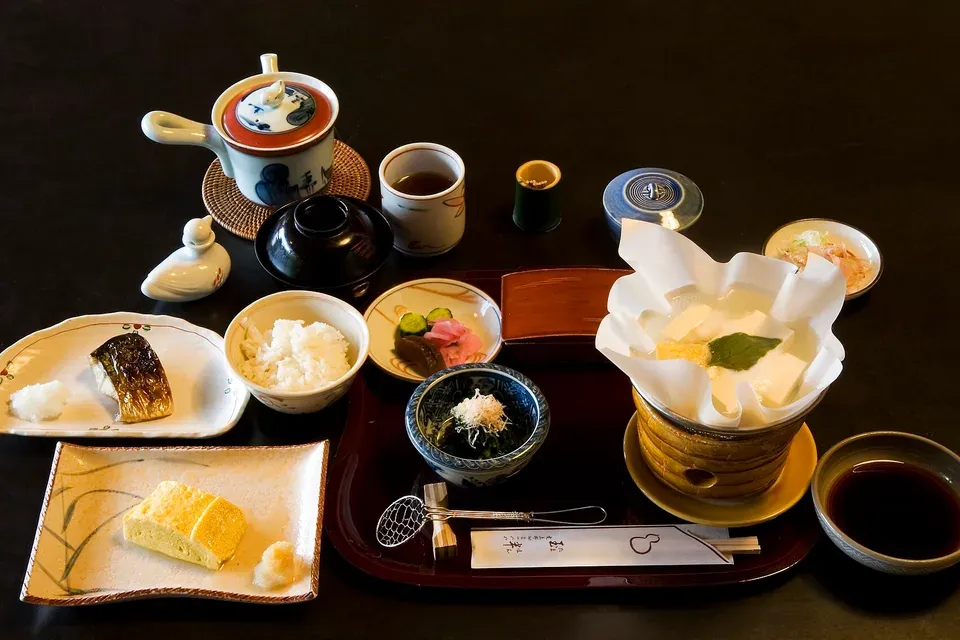
Unlike Western hotels priced per room, traditional ryokans almost always quote per person, per night, inclusive of two elaborate seasonal meals: multi-course kaiseki dinner and a full traditional Japanese breakfast. That means a ¥24,000 per-person rate for two guests (¥48,000 total) covers lodging, soaking in mineral onsen springs, yukata loungewear, and dining that would easily cost ¥10,000+ per person at a standalone fine restaurant.
- Arrival Timing Matters: Check in between 3:00 PM and 5:00 PM. Dinners are prepared fresh to strict kitchen schedules (typically served at 6:00 PM or 6:30 PM); arriving late forces staff to hold courses past peak temperature.
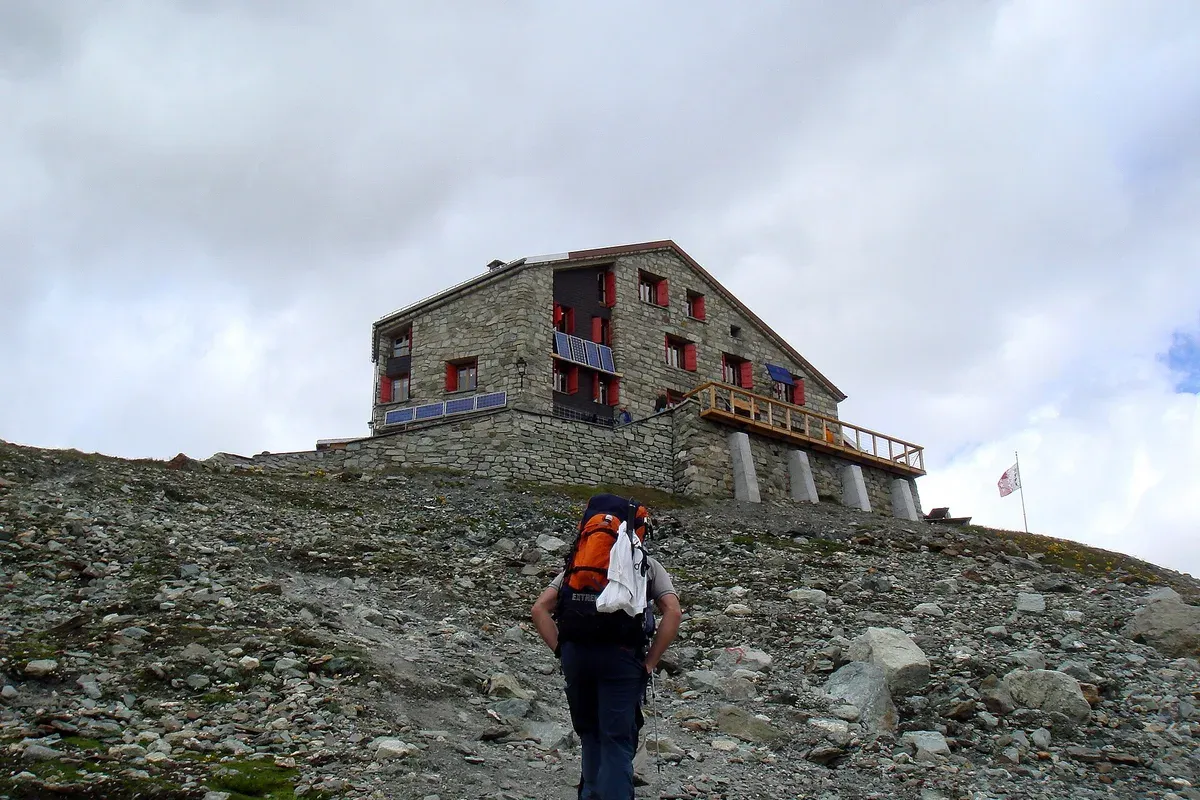
- Minshuku vs. Luxury Ryokan: Family-run minshuku guesthouses in mountain towns like Takayama, Shirakawa-go, or Kiso Valley offer authentic tatami rooms and hearty home-cooked irori meals for ¥10,000–¥15,000 per person.
Explore regional hot-spring towns through the Japan Ryokan & Hotel Association and Japan National Tourism Organization.
Tatami, Yukata, and Futon Etiquette
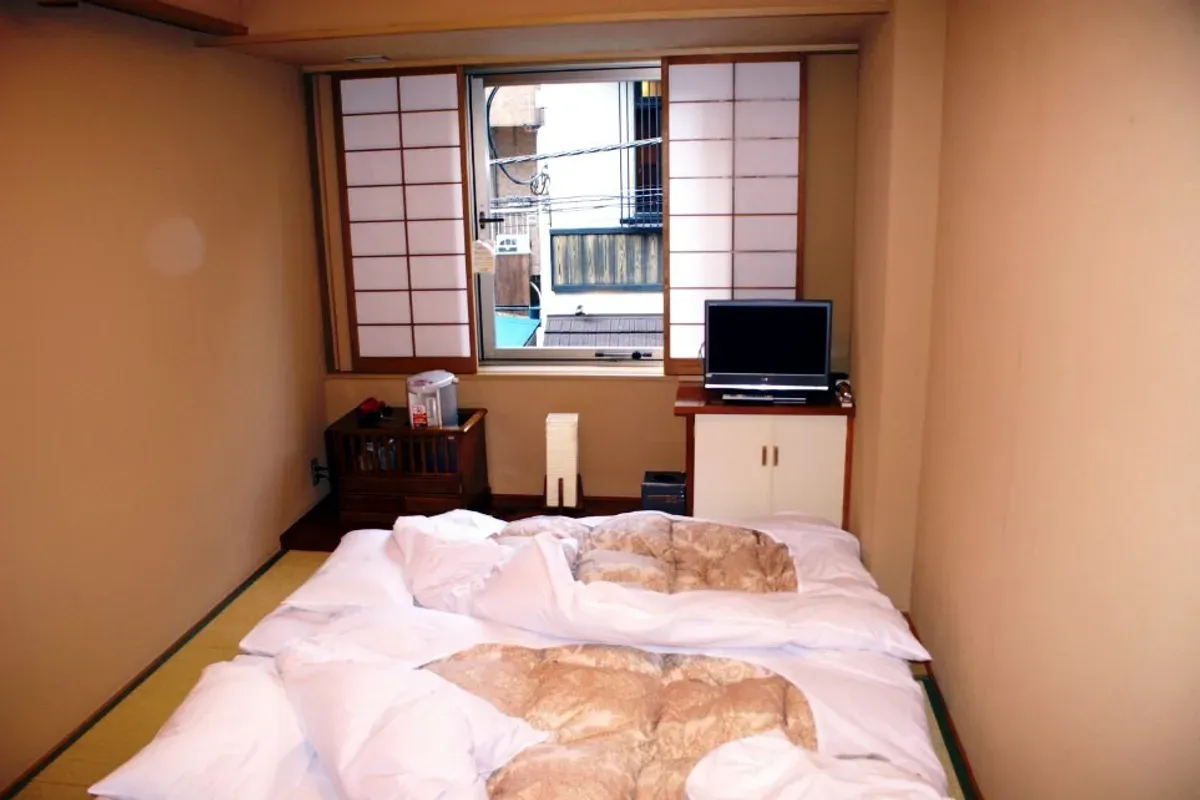
- Shoes off at the genkan: Step directly out of outdoor shoes onto the raised wooden foyer, slip into indoor hallway slippers, and remove even indoor slippers before stepping onto woven tatami straw mats (bare feet or socks only). Never drag heavy rolling suitcases across soft tatami edges.
- How to wear a yukata: Always fold the left side over the right side before tying the obi sash (right-over-left is reserved strictly for dressing the deceased). You may wear your yukata and outdoor geta wooden clogs throughout the ryokan—including dinner and village onsen strolls in towns like Kinosaki Onsen.
- Evening futon service: While you dine or bathe, attendants fold away the low chabudai table and lay thick cotton futons smoothly across the tatami.
Onsen Bathhouse Rules Every Guest Should Know
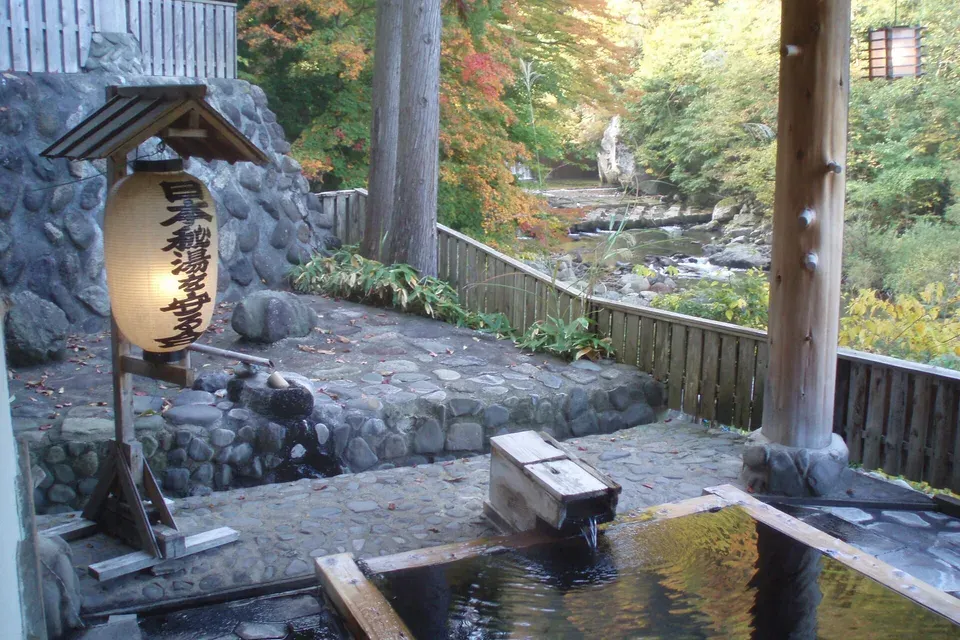
- Wash thoroughly before entering the soaking tub: Sit on the low plastic stool at the shower stations, scrub completely with soap and shampoo, and rinse every trace of suds before stepping into shared thermal pools.
- No swimsuits, no soaking towels: Shared onsen are bathed completely nude (gender-separated). Place your small modesty towel folded on your head or on the dry stone edge—never dip it into the mineral water.
- Tattoo considerations: Many historic public baths still restrict visible tattoos; if you have tattoos, choose tattoo-friendly towns like Kinosaki Onsen or reserve a ryokan offering a private en-suite or bookable family bath (kashikiri-buro).
- Keep hair up and voices low: Tie long hair clear of the water and treat the bath as a quiet sanctuary.
Best Regions to Book Your First Ryokan
| Region | Vibe & Access | Typical Half-Board Rate (JPY / person) |
|---|---|---|
| Hakone | Easiest from Tokyo (90 mins); volcanic views & forest baths | ¥22,000–¥45,000 |
| Kinosaki Onsen | Canal-side willow town north of Kyoto; 7 public baths included | ¥24,000–¥42,000 |
| Takayama / Okuhida | Japanese Alps timber inns, Hida beef dinners, snowy winter baths | ¥16,000–¥32,000 |
| Kurokawa Onsen (Kyushu) | Rustic cedar-valley rotenburo baths away from big tour buses | ¥20,000–¥38,000 |
Disclose dietary restrictions (vegetarian, allergies, no seafood/pork) at least 7–10 days before arrival—kaiseki broths rely heavily on dashi fish stock and cannot easily be improvised at check-in.
Step-by-Step Booking Checklist for First-Time Guests
- Verify check-in and luggage forwarding (takkyubin): Japan’s Yamato Transport (Kuroneko) luggage delivery forwards heavy bags directly from Tokyo or Kyoto hotels to your next city for ¥2,000–¥2,500—letting you ride mountain trains up to Hakone or Kinosaki carrying only a small overnight daypack.
- Check room bathroom setup: Traditional budget and mid-range ryokans frequently provide private half-baths (sink and toilet in-room) while bathing happens in spacious communal mineral onsen halls; confirm whether you want an en-suite rotenburo soaking tub before booking.
- Read cancellation windows closely: Because fresh seafood and seasonal mountain produce are ordered specifically per guest headcount, ryokans enforce stricter 3-to-7-day cancellation fees than standard city business hotels.
- Tipping is unnecessary: Outstanding service is built directly into the published rate—never leave loose bills on tatami tables or hand cash tips to room attendants (nakai-san).
Pair your ryokan night with our Kyoto neighborhoods and temple guide.