Traveling solo amplifies freedom—you choose when to linger at a quiet museum, which side street looks inviting for lunch, and when to shift cities on a whim. At the same time, solo travelers carry full responsibility for situational awareness without a companion to watch bags at ticket counters or split decision fatigue after an exhausting overnight flight.
Rather than relying on fear or rigid paranoia, seasoned solo travelers build simple, calm default routines around arrivals, money backups, and overnight transit so everyday logistics feel effortless.
Master the First Hour After Arrival
Most travel mishaps—overcharged taxis, distraction pickpocketing, or wrong-turn exhaustion—occur during the first sixty minutes in an unfamiliar terminal while juggling bags and hunting directions.
- Prioritize daylight arrivals in new cities: Whenever flight or train choices allow, schedule arrivals between 9:00 AM and 5:00 PM. Walking up an unfamiliar neighborhood lane in daylight is calmer, reception desks are fully staffed, and public transit runs at full frequency.
- Step aside before checking your phone: Never stand directly outside sliding airport or station doors staring down at a map while rolling luggage beside you. Walk ten meters inside toward a café or column wall, back against solid structure, confirm your route, and put the phone away before moving.
- Pre-book official airport transit or verified ride-hails: Check the airport’s official rail link, airport express coach, or pre-paid taxi desk inside the terminal before stepping past customs; politely walk straight past anyone whispering “taxi, cheap price” in arrival halls.
Consult national traveler safety bulletins such as UK FCDO Foreign Travel Advice or US State Department Travel Advisories for local transit and regional updates prior to departure.

Night Trains and Sleeper Bus Security
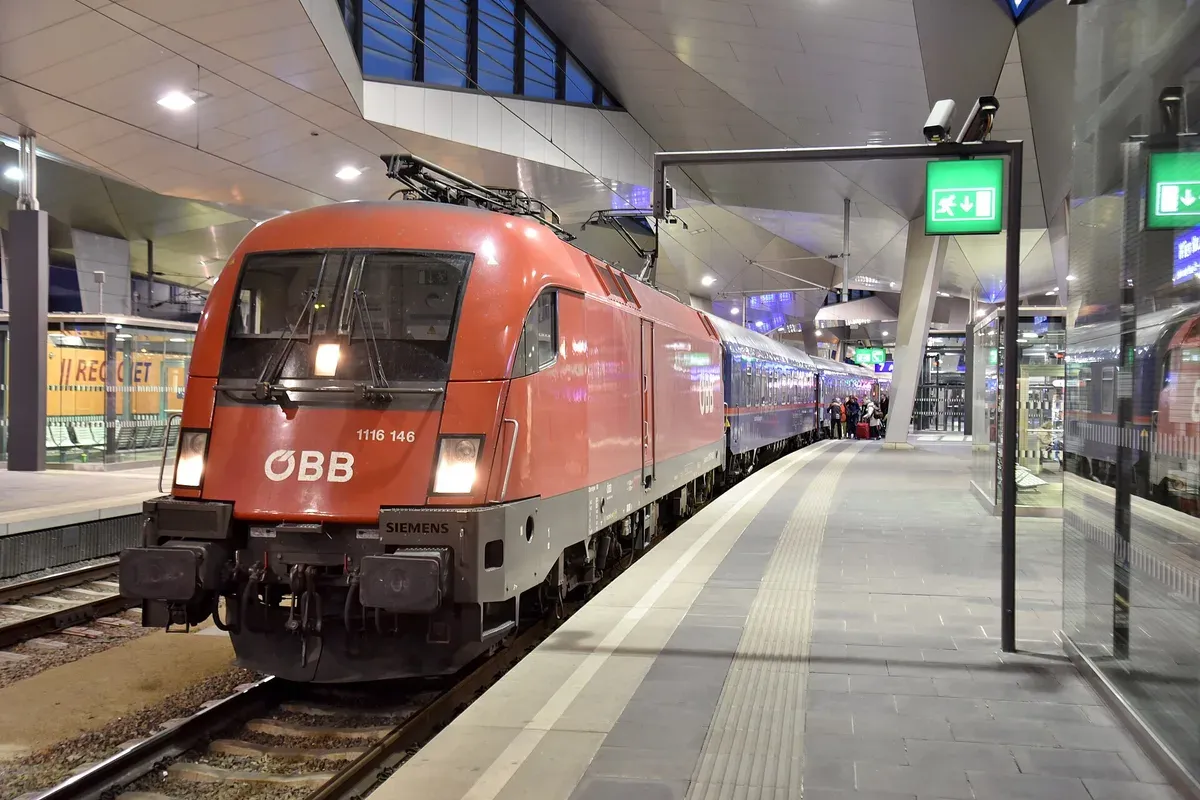
Overnight trains—from Europe’s ÖBB Nightjet to India’s AC 2-Tier or Thailand’s Special Express sleepers—save hotel nights and deliver dramatic dawn views, provided you choose compartments wisely:
- Choose couchettes or sleepers over open overnight seats: Open overnight coaches invite foot traffic all night and leave bags exposed. Paying €25–€45 extra for a 4-berth or 6-berth couchette (or ladies-only / private sleeper cabin where offered) includes interior mechanical locks or keycards.
- Secure your daypack while sleeping: Sleep with your passport, primary cards, and phone inside a soft pouch tucked near your pillow or inner bunk wall—never hanging loosely on the door hook. Loop your main pack strap through the bunk ladder or use a small luggage cable lock on overhead racks.
- Set two quiet alarms 25 minutes before your stop: Night trains make brief two-minute station calls where doors lock promptly.
Classic Transit Scams to Skip Smoothly
| Common Scenario | What Actually Happens | Simple Counter-Routine |
|---|---|---|
| “Your hotel/attraction is closed today” | Friendly local redirects you to an overpriced “cousin’s shop” or rival hotel | Walk directly to your destination and verify in person at the real gate |
| Unsolicited luggage “helpers” | Someone grabs your bag handle up station stairs and demands steep cash | Hold your own bag firmly, say a crisp “No thank you,” and keep walking |
| “Broken meter” taxi at night | Driver quotes 4x normal rate after loading luggage in the trunk | Confirm meter is running before loading bags, or use Bolt/Uber/Grab |
| Bracelet / Petition / Spill distractions | One person distracts your hands while another dips into open pockets | Keep outer jacket/pack pockets empty; wear zippered crossbody bags forward |
Financial Redundancy and Check-In Habits
Carry two separate debit/credit cards linked to different accounts stored in separate places (one in your everyday wallet, one locked inside your accommodation or hidden pouch), alongside emergency local cash equal to one night’s lodging. Turn on instant push notifications for every card transaction, share your rough hotel check-in details with one trusted family member or friend back home, and never hesitate to leave a street, bar, or conversation the instant something feels off—politeness never outranks personal comfort.
Designing Solo Evenings and Accommodation Selection
Where you stay matters just as much as how you arrive. Rather than picking the cheapest suburban guesthouse thirty minutes outside the historic core, paying slightly more for a central, residential-feeling neighborhood near a busy tram or metro stop pays back in evening peace of mind—you can walk home along brightly lit café streets instead of waiting alone at deserted outer bus stops after dinner.
Read recent solo-traveler reviews specifically mentioning front-desk hours, deadbolt locks, and alley lighting, and trust independent neighborhood judgment: if a late-night street suddenly turns empty or uncomfortable, step straight into an open pharmacy, hotel lobby, or well-lit café and order an official ride-hail car directly to your door. Keep a printed copy of your passport photo page and emergency contacts tucked inside your main pack lining so replacing lost documents takes hours instead of days. Solo travel thrives on unhurried confidence backed by calm preparation.
Pair these habits with our eSIM and offline maps guide and 35-liter carry-on packing blueprint.