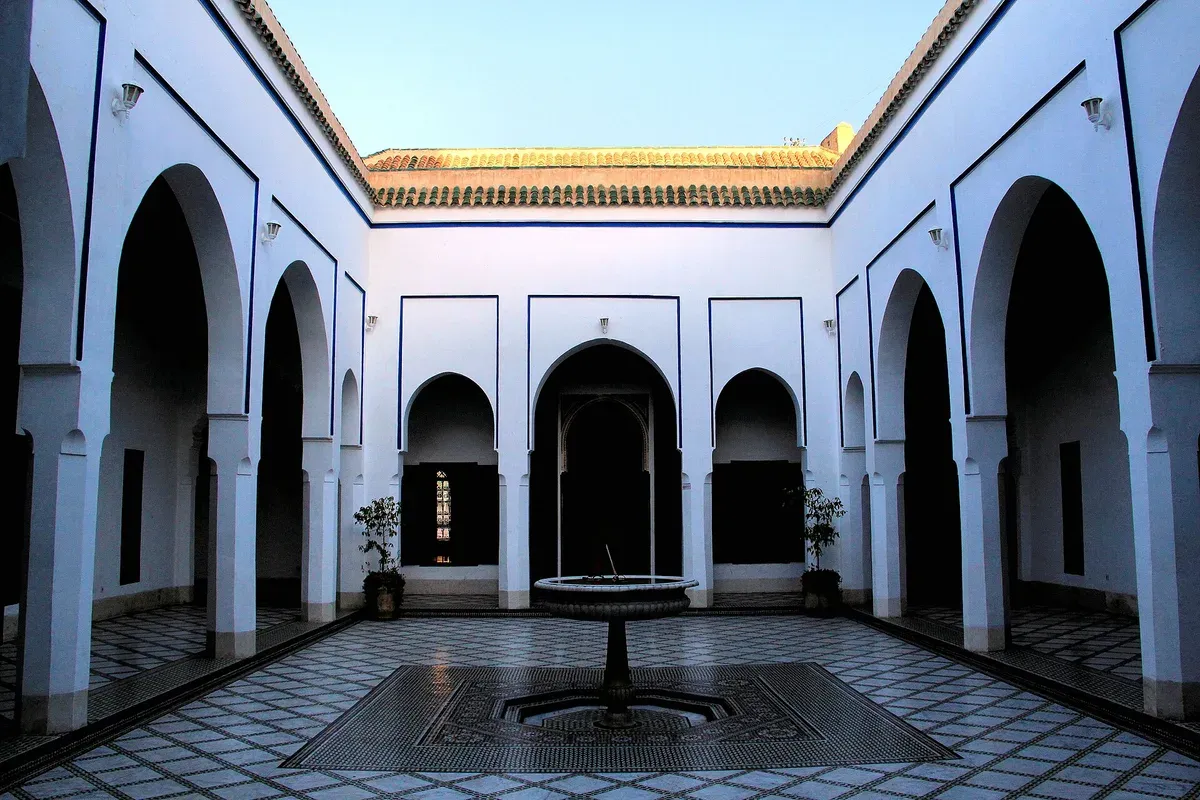
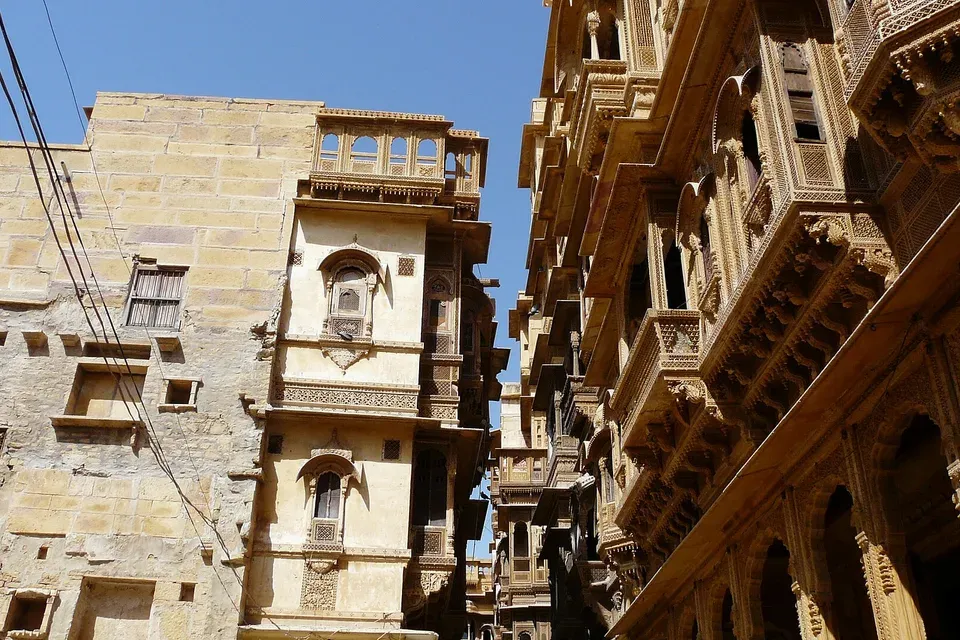
Across Rajasthan, historic merchant and noble townhouses—called havelis—were engineered long before mechanical air conditioning to tame fierce Thar desert summers. Thick lime-plastered stone walls, shaded central courtyards (chowks), carved lattice windows (jharokhas), and rooftop terraces draw warm air upward while cooling lower chambers naturally.
Today, dozens of converted havelis in Jaipur, Udaipur, Jodhpur, and the painted Shekhawati towns welcome travelers at prices ranging from modest guesthouses to museum-grade heritage hotels. Yet “heritage haveli” is an unregulated marketing label—some are lovingly restored nineteenth-century residences, while others are modern concrete boxes dressed up with faux arches.
How to Spot an Authentic Restoration
Before booking, inspect architectural details in guest photos and property descriptions:
- Thick lime plaster (araish) and carved stone pillars: Genuine historic havelis display irregular hand-dressed sandstone, deep recessed window alcoves, and cool central open-air courtyards rather than narrow dark hotel corridors.
- Ventilation and window glazing: Old jharokha shutters look romantic, yet rooms opening straight onto busy bazaar streets without secondary glass panes will rattle with morning temple bells and scooter horns. Check whether upper-floor rooms have double-glazed windows or courtyard-facing orientations.
- Modernized plumbing & water pressure: Ask or read recent reviews specifically mentioning hot-water reliability and bathroom ventilation—historic masonry structures require careful retrofitting to avoid damp corners.
Learn more about regional architectural heritage through Rajasthan Tourism.
Neighborhood Comparison: Jaipur vs. Udaipur
Jaipur: Civil Lines & Bani Park vs. Walled City
- Bani Park & Civil Lines (Quiet Gardens): Wide leafy avenues twenty minutes west of Hawa Mahal house aristocratic family residences converted into serene garden havelis with easy cab drop-offs and peaceful evenings.
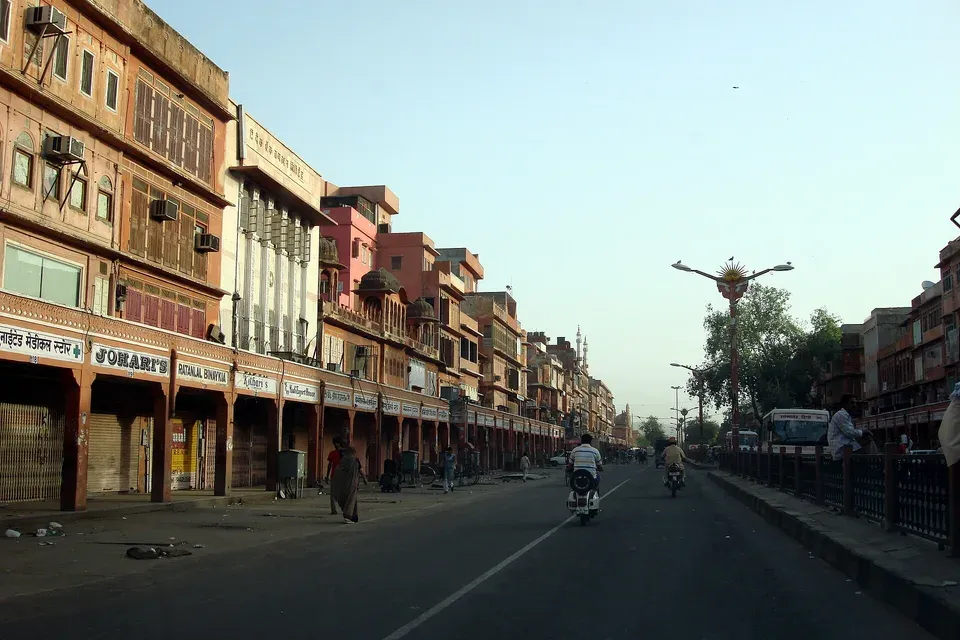
- Walled City (Johari / Chandpole): Staying directly inside the Pink City puts you walking distance from Hawa Mahal and City Palace, though narrow lanes restrict car access and evenings stay lively.
Udaipur: Lal Ghat & Chandpole vs. Fateh Sagar
- Lal Ghat & Gangaur Ghat (East Bank): Dense lanes beside City Palace and Jagdish Temple pack dozens of multi-story lakeside havelis with rooftop dining overlooking Lake Pichola. Expect steep stone stairs (few historic havelis have elevators) and narrow lanes where cars stop at the ghat perimeter.
- Ambamata & Naga Nagri (West Bank): Across the footbridge near Ambrai Ghat, quiet boutique havelis face directly back toward the illuminated City Palace skyline with far less street noise.
Pricing Tiers and Seasonal Booking Guide
| Stay Tier | Typical Nightly Rate (INR) | What You Get |
|---|---|---|
| Family-run Old City haveli | ₹2,800–₹5,500 | Courtyard breakfast, simple antique furnishings, rooftop lake/fort views |
| Certified Heritage Boutique (Bani Park / Ambamata) | ₹6,500–₹13,500 | Restored frescoes, pool/garden courtyard, soundproofed rooms, airport transfers |
| Grand Royal Palace Heritage | ₹22,000+ | Expansive gardens, museum-grade suites, formal dining rooms |
Peak winter months (December–January and Pushkar/Jaipur Literature Festival weeks) sell out desirable courtyard rooms 3–4 months early, while October and March offer warm golden evenings and 30%–40% softer rates.
Beyond Jaipur and Udaipur: Bundi and Shekhawati
Travelers willing to step slightly off the Golden Triangle rail loop discover extraordinary value in Bundi and the Shekhawati towns (Mandawa, Nawalgarh, Fatehpur). In Shekhawati—often called Rajasthan’s open-air art gallery—nineteenth-century Marwari merchant families painted entire exterior and courtyard walls with natural mineral frescoes depicting mythology, steam trains, and early automobiles. Staying in restored heritage mansions here costs half as much as Jaipur’s Walled City while letting you walk quiet cobblestone lanes with almost no tour buses.
Five Questions to Ask Before Booking Any Haveli
- Are courtyard rooms double-glazed? Essential if the property faces a main bazaar or temple lane where morning aarti speakers and traffic start at 5:30 AM.
- Which floor is the room on, and is there lift access? Historic havelis feature steep, narrow stone staircases—request ground or first-floor courtyard rooms if traveling with older family members or heavy bags.
- Is hot water solar or geyser-backed? Solar-only rooftop tanks turn lukewarm on rare cloudy January mornings unless backed by electric geysers.
- Where do cabs drop off? Inside Udaipur’s Old City (Lal Ghat/Chandpole), pedestrian zones require a 200-meter walk or electric auto-rickshaw transfer.
- Are rooftop dining hours restricted? Quiet residential havelis close rooftop terraces by 10:30 PM, keeping overnight sleep far more peaceful.
- How is breakfast prepared? Independent family-run havelis shine at freshly cooked morning poha, parathas, and spiced chai served in sunlit courtyards rather than lukewarm buffet trays.
Getting Around Between Heritage Properties
Both Jaipur and Udaipur offer easy intercity rail links from Delhi and Ahmedabad, while Jaipur Metro and reliable Uber/Ola cabs or pre-agreed auto-rickshaws connect suburban garden havelis with Walled City gates effortlessly. Leave heavy suitcases in hotel cloakrooms if stepping out for early-morning fort climbs at Amber Fort or Sajjangarh.
For rail-friendly Indian heritage planning, connect Rajasthan with our Varanasi ghats and culture guide or our solo arrival safety checklist.